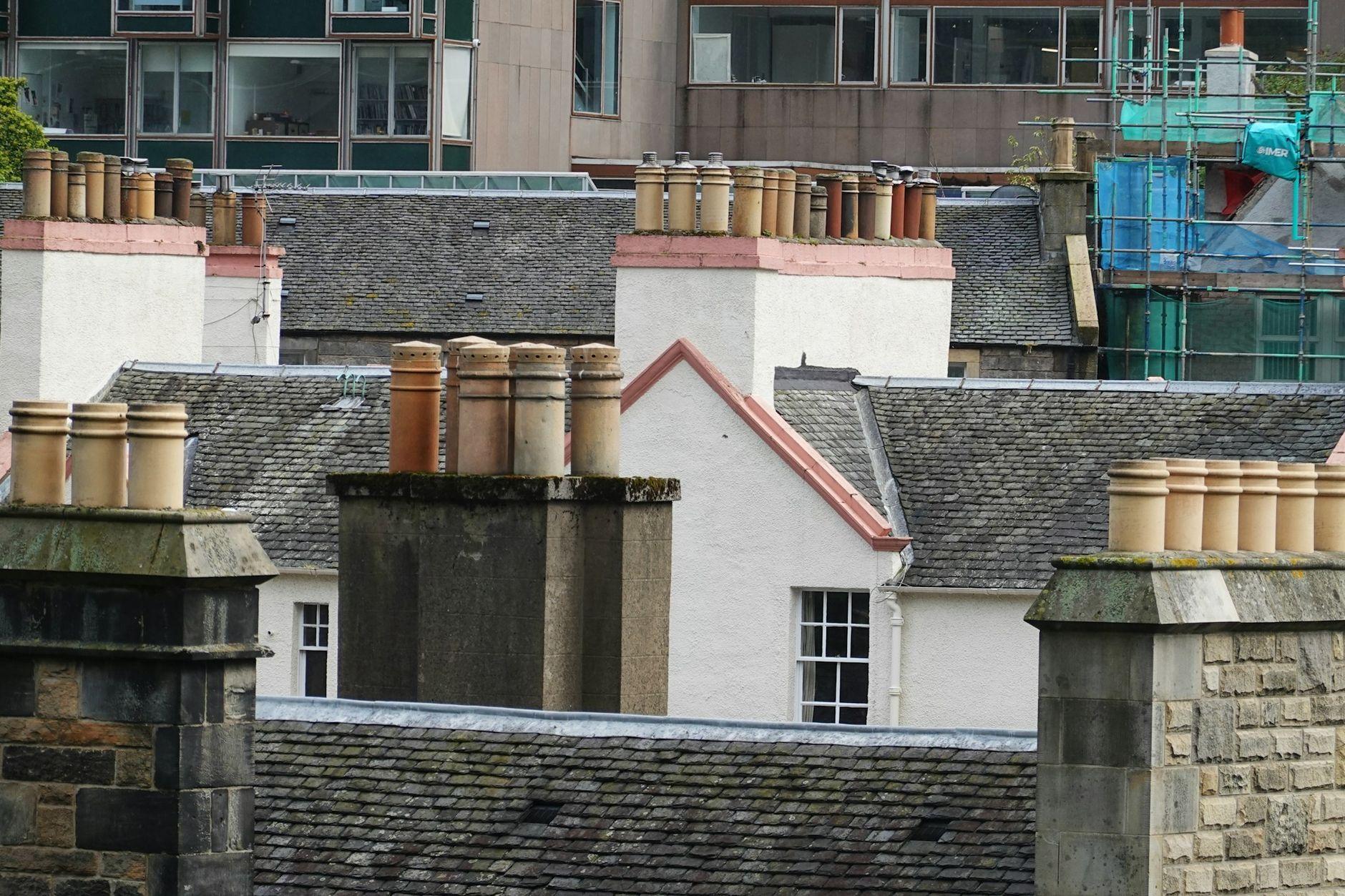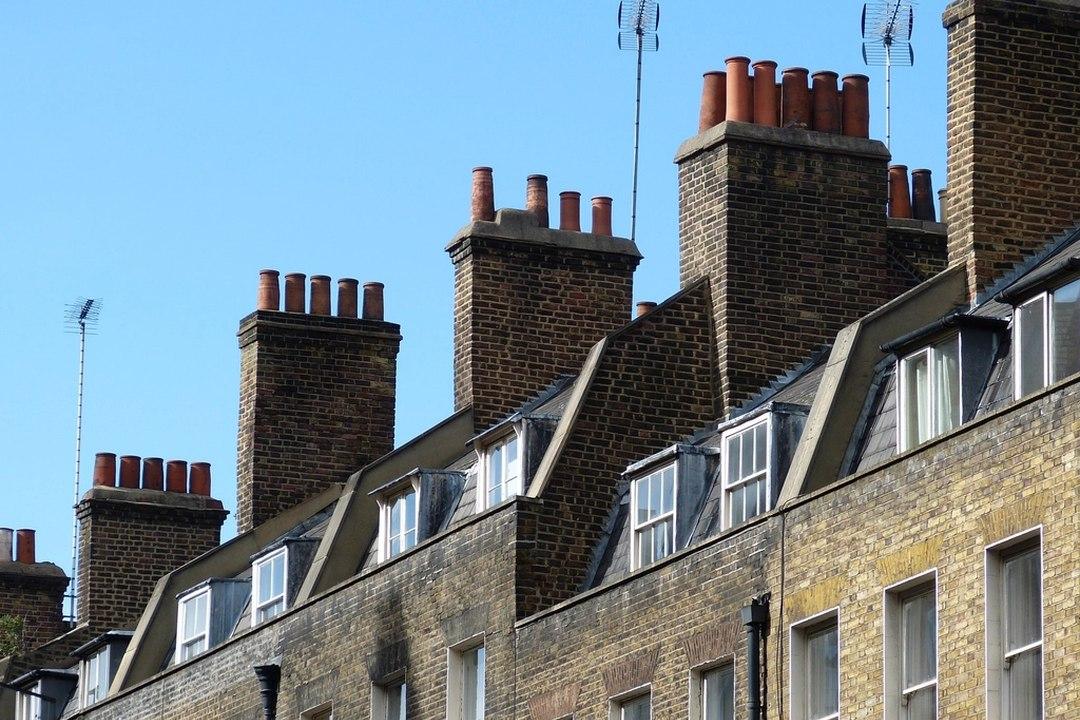
Drive through the newer streets of Laguna Niguel, Lake Forest or Irvine and look up at the chimneys. Many are not brick at all. They are timber-framed enclosures with stucco or siding over them, and inside each one a metal flue rises from a factory-built firebox. On top sits a sheet metal lid with a hole for the flue. Buyers rarely notice that lid. Sale reports notice it often.
Why the lid fails near the coast
The lid, called a chase cover, keeps rain out of the enclosure. Many original covers were made from thin galvanized steel. Within reach of the ocean, salt air wears away the coating, and once rust starts, water pools in any low spot and finishes the job. A cover that was built flat, or has sagged, holds water instead of letting it run off, and the rust follows the puddle.
Once a cover rusts through, the enclosure starts taking on water. Studs and sheathing that were never meant to get wet soak it up, and drips can land on the metal fireplace itself, where they show up later as rust inside the firebox. From the street none of this is visible, which is why it so often surfaces for the first time during a sale.
What the inspection records
On a Level 2 inspection for a sale, the top of the chase gets its own lines in the report:
- The cover's material, and whether rust has broken through
- Whether it sheds water or holds it
- The collar and cap around the flue where it passes through the cover
- Signs inside: rust on the firebox top, stains on the chase walls, a damp smell
- Whether the cap on the flue is the part made for that fireplace system
The fee is $375 per visit. Each line carries a label, so a buyer can tell a cover that is weathered but sound from one that is letting water in today.
Pricing a new cover during escrow
A replacement cover has no figure on our published list. Chases come in many sizes and shapes, the flue may sit off center, and some covers need a raised middle so water runs off. Each one gets a written quote naming the metal, the shape and the work to take off the old cover and fit the new one. If the inspection finds damage inside the enclosure, framing or sheathing repair goes on its own line so both agents can see it apart from the lid.
Related items that do have published ranges:
- Leak found and stopped where the enclosure meets the roof: $540 to $3,250
- A fresh top with mesh over the flue opening: quoted after we measure
When the report shows rust on the chase top, the next step is a written quote that both agents can work from. Give the address and the rust or water marks you have noticed in the form, and ask for a chase cover quote to go with the request for repairs.
Repair before close or credit?
Chase covers sit in the middle. A cover with surface rust and no water inside can reasonably become a credit, with the buyer replacing it before the next winter. A cover already letting water into the enclosure is better fixed before close, because the inside damage keeps growing while the house changes hands, and nobody wants to argue later about which owner it happened under.
Documents the file should hold either way:
- The report page with the chase top lines and their labels
- The written cover quote, with any interior repair listed apart
- If the work is done, a completion note with photos of the new cover in place
Stainless or galvanized
Owners sometimes ask which metal to choose. Near the coast we quote stainless steel as the standard, because it stands up to salt air far longer than galvanized. A galvanized cover can be quoted where the budget is tight, with a plain note that it will need replacing sooner. Both options can sit on the same quote, so a seller offering a credit and a buyer planning the work can see the gap between them.
Who usually spots it first
Few owners climb up to look at the lid on their own chase, so most rusted covers we write up come from a buyer's Level 2 rather than a seller's request. Sellers in the newer parts of Laguna Niguel who order a pre-listing report get the chance to replace a tired cover before any buyer sees it, which takes one line off the request for repairs before it is even written.
Beyond the cover
A rusted cover often comes with a worn flue cap, a loose collar or an open seam where the enclosure meets the roof. The report lists each one, and the quote prices them together so the top of the chase is closed up in a single visit. That matters in escrow, because one completion note is easier to pass between agents than three.
The chase itself can also tell a story. Stucco cracks low on the enclosure, or siding that has swollen near the roofline, point to water that has been getting in for some time. Those go in the report as well, with a label, because a buyer deserves to know whether a new lid is the whole job or only the first part of it.
See chimney chase cover for the service itself, and Chimney Leaks Found Before Closing if water has already reached the inside.
Questions about a chase top on a house in escrow can start at our contact page.
Need This on Paper for a Sale?
Nesbitt Chimney Sweep inspects chimneys around Laguna Niguel for buyers, sellers and agents. You get a condition report, a scope with each repair priced on its own line, and copies sent to every name you give us.